Nutrition / Explainer
What's Actually In A 'Healthy' Smoothie

24 July 2026
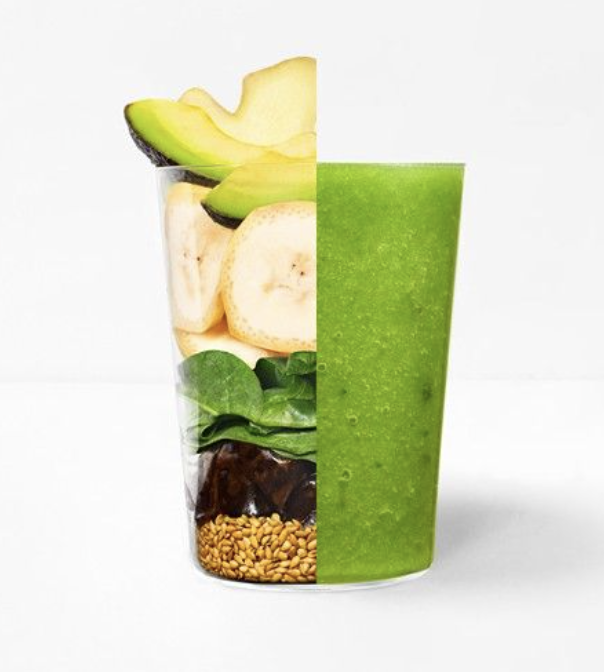
A smoothie is the same ingredients before and after — but blending changes more than the texture.
Smoothies live on their health halo. Sometimes it's earned: a good one is an easy way to get fruit, veg, seeds and protein into someone who'd otherwise have a pastry. Sometimes it isn't: a bad one is a milkshake with a yoga mat. The difference is entirely in what goes in the jug.
What blending changes
Blending shreds the structure of fruit, which frees the sugars to hit your system faster than whole fruit would. The fibre is still in the glass — that's the good news, and it's why smoothies beat juice, where the fibre is removed entirely. But a smoothie of banana, mango, apple juice and honey is a lot of fast sugar in a deceptively small glass. You'd struggle to eat three pieces of fruit in two minutes; you can drink them without noticing.
Speed matters too. Drinking calories doesn't trigger fullness the way chewing them does, which is why a 400-calorie smoothie can leave you hungry an hour later when a 400-calorie meal wouldn't.
The shop-bought problem
Check the label of a typical shop smoothie and you'll often find 25 to 35g of sugar per bottle — in the fizzy-drink neighbourhood, even if it all technically came from fruit. "No added sugar" on the front means nothing about how much sugar is in it. The back of the pack, as ever, is where the truth lives.
How to build one that earns the label
- One fruit, not three. A banana or a handful of berries is plenty of sweetness.
- Add a vegetable. Spinach is invisible in taste and does half the nutritional work.
- Add protein. Greek yoghurt, kefir, milk, or a spoon of nut butter turns a drink into something that holds you until lunch.
- Add fat and fibre. Avocado, chia, flax or oats slow the sugar down and make it a meal.
- Liquid: water or milk, not juice. Juice is where good smoothies go wrong.
Built like that — fruit, greens, seeds, yoghurt — a smoothie is genuinely one of the easiest good meals there is. Built like a dessert, it's a dessert, and it should be enjoyed as honestly as one.
The 10-second test: if the recipe has more fruits than vegetables and the liquid is juice, it's a soft drink with better PR. One fruit, one veg, one protein, one seed, one plain liquid — that's the pattern.
This article is general information, not medical advice. If symptoms are severe, persistent, or worrying you, speak to your GP or a pharmacist.