Gut Health / Explainer
Bloating After Eating: Common Causes And What Actually Helps

5 August 2026
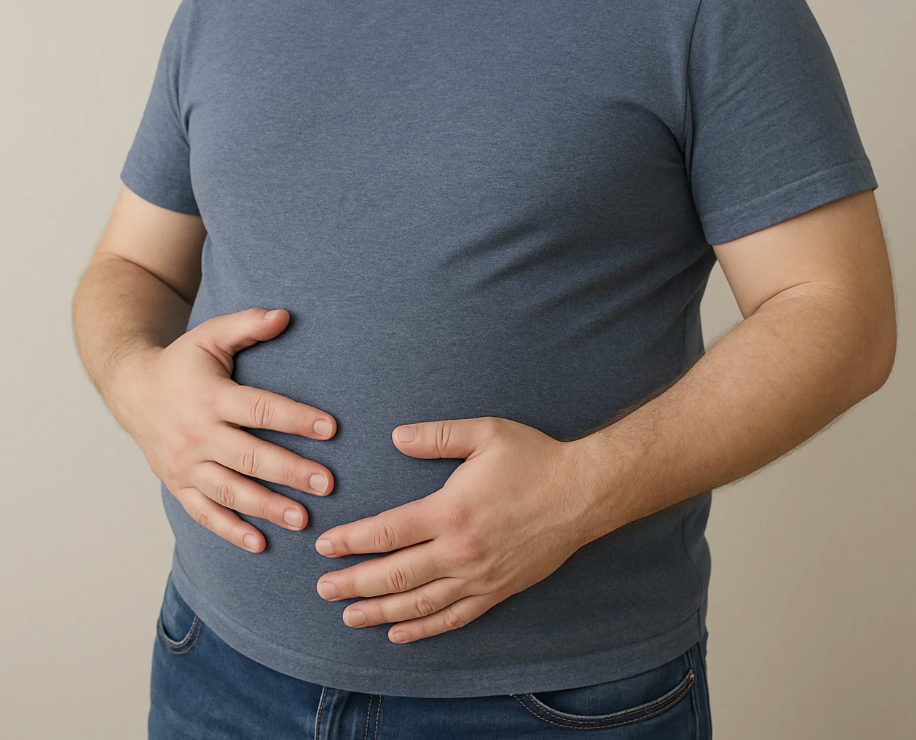
Bloating is the most common gut complaint in the UK, and the most profitably exploited. Before you buy anything, work through the boring list — it solves most cases.
First, what bloating is
That tight, full, swollen feeling is usually gas produced when your gut bacteria ferment food, or air you've swallowed, or water retention, or a gut that's moving slowly. Occasional bloating after big meals is completely normal. Daily bloating is a pattern worth investigating.
The usual suspects, in order
1. Speed
Eating fast means swallowing air and giving your fullness signals no time to work. The single cheapest fix in gut health: make lunch last fifteen minutes. Put cutlery down between bites. It feels silly. It works.
2. Fizzy drinks and "sugar-free" sweeteners
Carbonation is literally swallowing gas. And sweeteners ending in "-ol" — sorbitol, xylitol, mannitol, common in sugar-free gum and drinks — are famous for fermenting noisily in the gut. Two weeks off both tells you a lot.
3. A sudden fibre jump
Fibre is excellent for you, but going from a low-fibre diet to a high one overnight is the classic self-inflicted bloat. Add it gradually over a few weeks and drink water alongside; your gut bacteria need time to staff up.
4. Big, late, heavy meals
A large meal close to bed sits in a gut that's winding down for the night. If mornings start puffy, look at what 9pm looks like.
5. Stress
Your gut and your nervous system are wired together. High-stress weeks slow digestion for some people and speed it for others; both can bloat. This is why holidays mysteriously fix stomachs.
6. Specific trigger foods
For some people, particular fermentable carbohydrates (the "FODMAP" group — onions, garlic, wheat, some fruit) drive symptoms. A short, structured low-FODMAP trial has good evidence — but it's meant to be done with proper guidance and then foods reintroduced, not as a permanent restriction list.
What about probiotics and gut powders?
Some specific strains have decent evidence for bloating; many products don't say which strains they contain or at what dose, which should sound familiar if you've read our label guide. Prebiotic fibres like inulin help many people long-term, though they can briefly increase gas while your gut adjusts — start small.
When it's not a DIY problem
See your GP rather than the supplement aisle if bloating comes with: unintended weight loss, blood in your stool, persistent pain, bloating that's constant rather than meal-related, or if you're over 50 and it's new. These need checking properly, not managing quietly.
This article is general information, not medical advice. If symptoms are severe, persistent, or worrying you, speak to your GP or a pharmacist.