Nutrition / Explainer
Are Carrots Really Good For Your Eyes? What Carrots Actually Do

11 June 2026
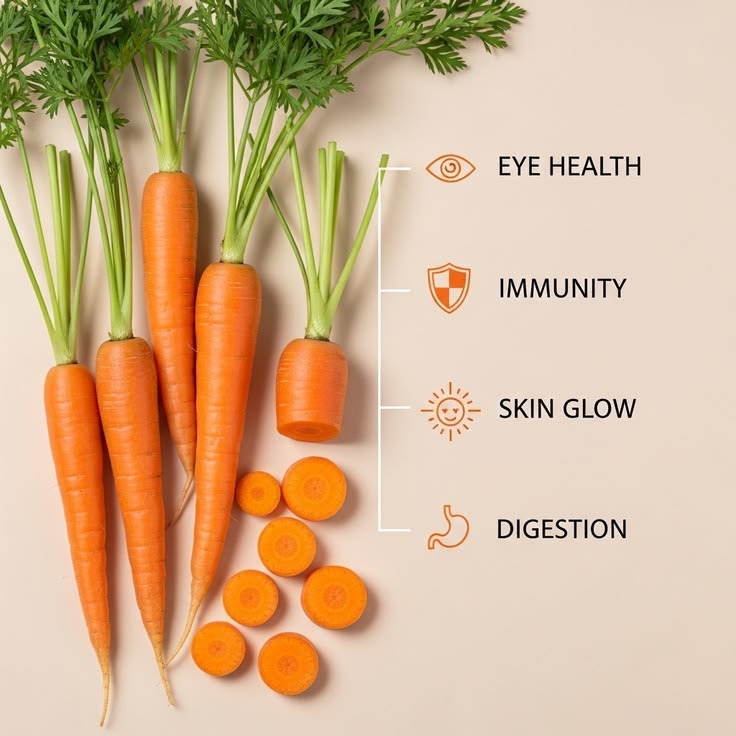
The carrot's reputation for eyesight is one of history's most successful health myths — literally wartime propaganda. The funny part: the real benefits are better than the story.
Where the eyesight myth comes from
In the Second World War, the RAF credited its pilots' night-flying success to carrots — partly to encourage a homegrown vegetable, partly to disguise the existence of radar. The claim stuck for eighty years, which is better performance than most marketing ever achieves.
What's actually true about eyes
Carrots are rich in beta-carotene, which your body turns into vitamin A — and vitamin A genuinely is essential for vision, particularly in low light. But here's the catch: unless you're deficient, more doesn't mean better. Carrots protect normal vision; they don't upgrade it. No amount of carrots gives you night vision, whatever the RAF implied.
What carrots actually do well
Immunity and skin. Vitamin A is central to immune function and skin maintenance — the "glow" claim has a real mechanism behind it, even if the marketing oversells it.
Digestion. A decent hit of fibre, in both soluble and insoluble forms, which feeds gut bacteria and keeps things moving — see our gut foods guide for the fuller picture.
Heart and general health. Carrots sit in the broad family of colourful vegetables whose consumption keeps showing up, study after study, alongside lower rates of heart disease. No single vegetable is magic; the pattern of eating them is.
Getting the most from them
- Cook them sometimes. Light cooking makes beta-carotene easier to absorb than raw. Raw is still great; variety is the point.
- Add a little fat. Beta-carotene is fat-soluble — a drizzle of olive oil or a handful of nuts alongside meaningfully improves absorption.
- Don't bin the tops. Carrot greens are edible and work like parsley. Free herbs.
The pattern to notice: almost every "superfood" story works like the carrot's — one real mechanism, stretched into a superpower. The vegetable is genuinely good for you. The myth is just better at marketing than the truth is.
This article is general information, not medical advice. If symptoms are severe, persistent, or worrying you, speak to your GP or a pharmacist.