Nutrition / Explainer
How Much Sugar Is Actually In Your Drinks?

4 September 2026
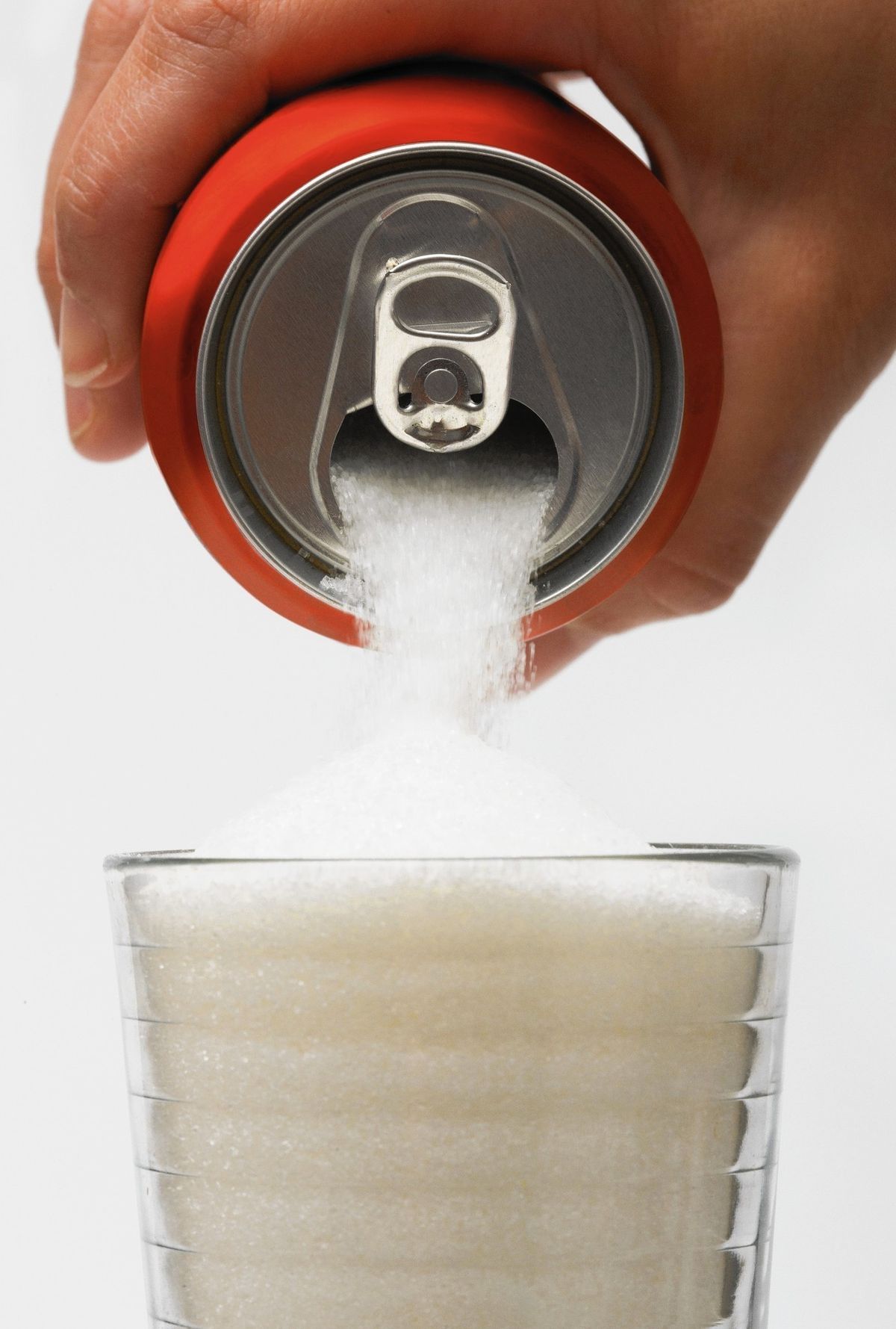
If you poured the sugar out of your drinks the way you spoon it into tea, most of us would stop drinking them by Wednesday.
Sugar in drinks is uniquely sneaky. It doesn't fill you up the way sugar in food does, it goes down in seconds, and the label talks in grams while your brain thinks in teaspoons. So let's translate.
The teaspoon translation
One teaspoon is about 4g of sugar. Now the everyday line-up: a 330ml can of regular cola carries around 35g — roughly nine teaspoons. A 500ml bottle of many fruit drinks: 10 to 12 teaspoons. A large flavoured latte: 8 to 12. A "healthy" smoothie bottle: 6 to 9. Even orange juice, the breakfast of the virtuous, runs about 5 teaspoons a glass.
The NHS guideline for added sugar is about 30g a day for adults — seven teaspoons. One fizzy drink can spend the whole budget before lunch.
Why drinks hit differently
Chewed sugar arrives with fibre, fat or protein slowing it down. Drunk sugar arrives alone and fast. Blood sugar spikes, insulin chases it, and an hour later you're hungry and flat — the same spike-and-slump shape we've written about with caffeine, only sweeter.
Liquid sugar also doesn't register as food. Studies keep finding that people don't eat less to make up for calories they drank. The drink is simply added on top.
Reading the label in five seconds
- Find "of which sugars" per serving — then divide by 4 for teaspoons.
- Check the serving size trick: a "250ml serving" label on a 500ml bottle halves the scary number.
- "No added sugar" doesn't mean low sugar — juice concentrates count as sugar in everything but name.
What to do that actually sticks
Going cold turkey on sweet drinks lasts about a week for most people. Downgrading works better: full-sugar to zero-sugar, juice to juice-and-sparkling-water, the daily can to the weekend can. Your taste adjusts in two to three weeks, and drinks you used to enjoy start tasting like syrup — which is, in fairness, what they were.
This article is general information, not medical advice. If symptoms are severe, persistent, or worrying you, speak to your GP or a pharmacist.