Gut Health / Explainer
Why Eating Slower Actually Works (It's Not Just Mindfulness Talk)

13 August 2026
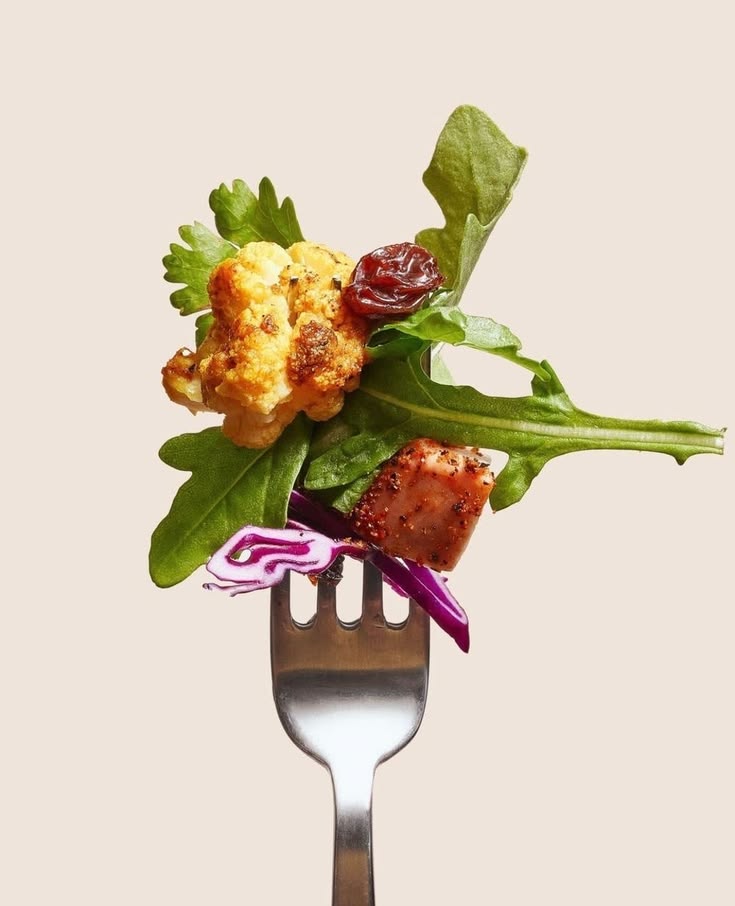
Of all the advice in nutrition, "eat slower" sounds the most like a fridge magnet. It's also one of the few with solid mechanics behind it.
The 20-minute lag
When food reaches your stomach and gut, hormones start signalling "we're good" to your brain — but the loop takes roughly 20 minutes to get going. Finish lunch in eight minutes and you've eaten the whole meal before the first fullness signal lands. That's how you end up staring at an empty plate, still hungry, reaching for more.
Slower eaters give the signal time to arrive mid-meal. Same food, different outcome: studies consistently find faster eaters eat more overall and are more likely to gain weight over time.
The gut side
Digestion starts in your mouth. Chewing breaks food down and mixes it with enzymes; bolting it sends bigger chunks down for your stomach to fight with — and sends swallowed air along too. If you're a fast eater with regular bloating, the speed is suspect number one, before any supplement or elimination diet.
How to actually slow down
"Chew each bite 30 times" is advice nobody follows past Tuesday. These stick better:
- Put the fork down between bites. The single most effective habit, and free.
- Eat sitting down, off a plate, not from a bag or over the sink.
- No screens for the first ten minutes. Distracted eating is fast eating.
- Water on the table — sips create natural pauses.
- Aim for lunch to take 15 to 20 minutes. Set a timer once to see how far off you are.
None of this changes what you eat. That's the appeal: it's the rare upgrade that costs nothing, bans nothing, and starts working at the very next meal.
This article is general information, not medical advice. If symptoms are severe, persistent, or worrying you, speak to your GP or a pharmacist.