Nutrition / Explainer
Sugar's Sneaky Names: How To Spot It On Any Label

27 August 2026
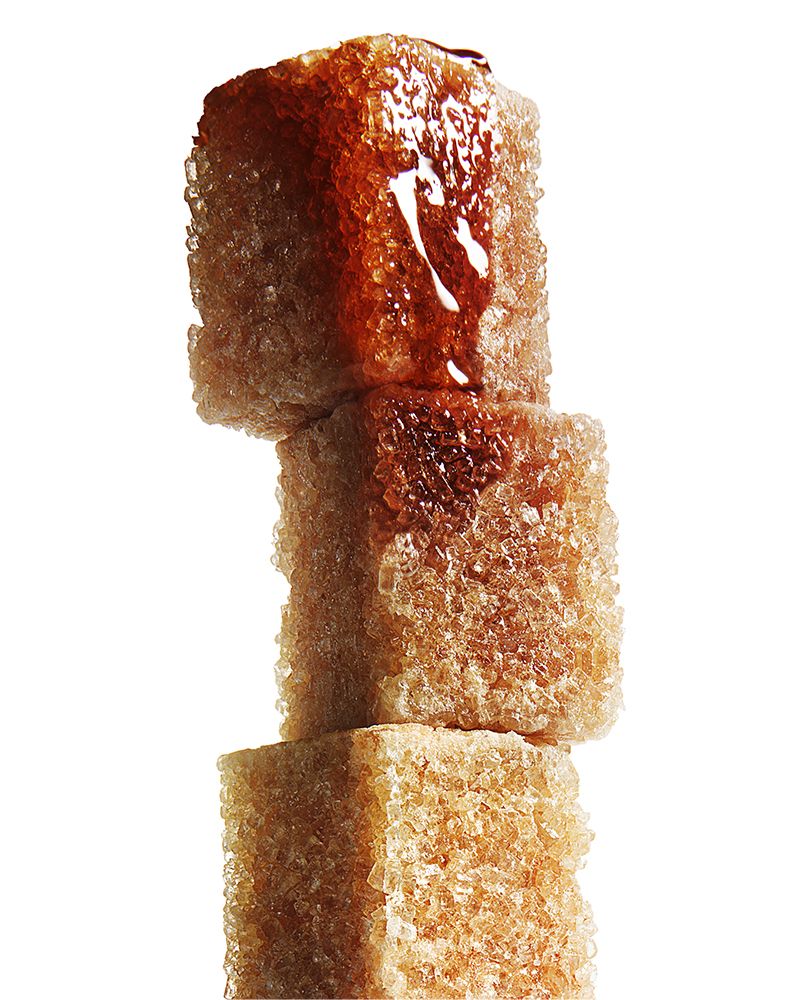
Food labels are legally honest and creatively worded. Nowhere more than with sugar, which has more stage names than a wrestling federation.
The aliases
Glucose, fructose, sucrose, maltose, dextrose — anything ending in "-ose" is sugar. So are: golden syrup, glucose-fructose syrup, invert sugar, maltodextrin (technically a starch, behaves like sugar), honey, agave nectar, coconut sugar, date syrup, fruit juice concentrate, apple purée in quantities no apple would recognise.
None of these are evil. They're just sugar wearing a lanyard that says "natural".
Why brands do the shuffle
Ingredients are listed by weight, biggest first. Use one sugar and it might top the list — a bad look. Split the same amount across four different sugars and each one drops down the list, while the front of the pack stays wholesome. It's the same move as the supplement industry's proprietary blend: technically compliant, practically opaque.
The two-second trick
Skip the ingredients list entirely and go to the nutrition table: "Carbohydrates — of which sugars." That number can't hide behind names. Per 100g: under 5g is low, over 22.5g is high. That's the whole check.
The "natural sugar" question
Your body doesn't do paperwork. Honey, agave and coconut sugar are metabolised as sugar, because they are sugar. The only meaningful "natural" exception is sugar inside whole fruit, where fibre and water slow everything down. The moment it's freed — juiced, syruped, concentrated — it rejoins the queue with the rest.
- "-ose" endings, syrups, nectars and concentrates: all sugar
- Judge by "of which sugars," not by the ingredients list
- Whole fruit is the exception. Everything squeezed out of it isn't
This article is general information, not medical advice. If symptoms are severe, persistent, or worrying you, speak to your GP or a pharmacist.