Nutrition / Explainer
Hunger vs Cravings: How To Tell Which One Is Talking

30 July 2026
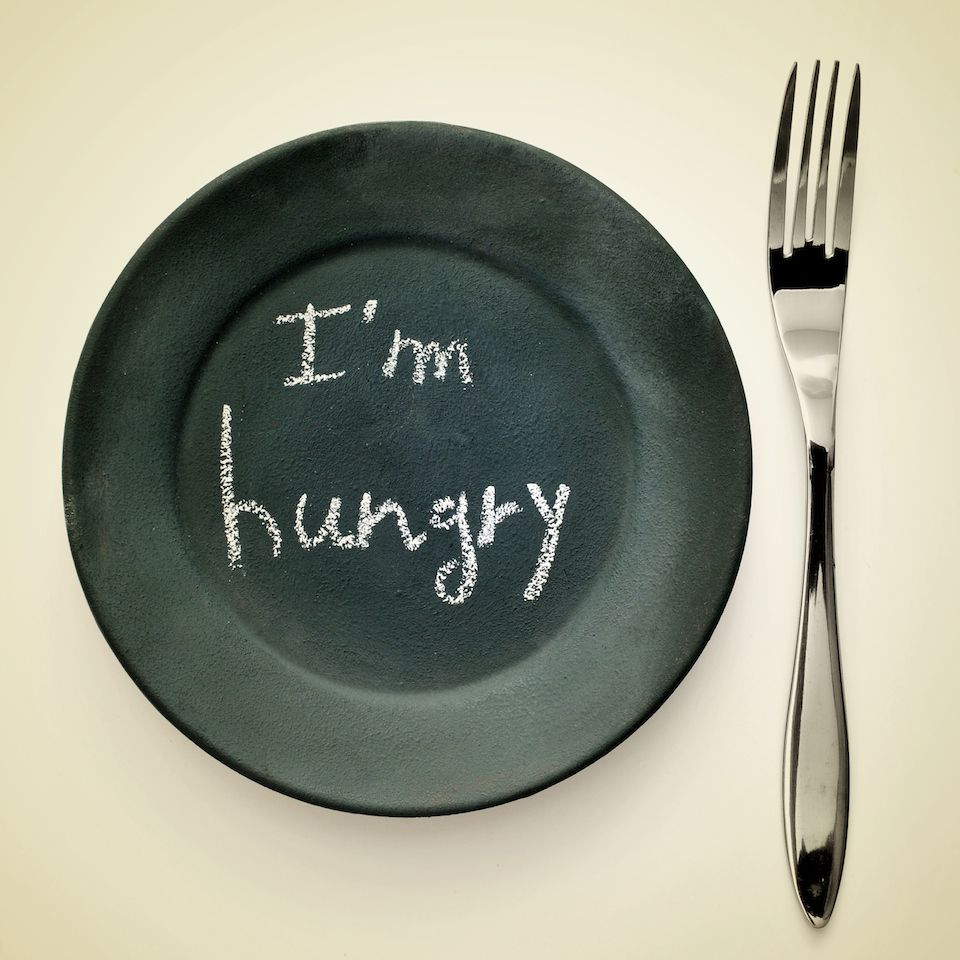
"I'm hungry" covers two very different signals, and mixing them up is where most snacking guilt comes from.
The tell-them-apart test
Hunger builds gradually, sits in your stomach, and is open to negotiation — leftover pasta, an apple, whatever's there. A craving arrives suddenly, lives in your head, and wants one specific thing, usually sweet, salty or crunchy, usually within reach of a screen.
The fastest check is the boring-food question: would you eat a plain bowl of porridge right now? If yes, you're hungry — eat. If the answer is "no, but I'd eat the biscuits," that's a craving, and it's information rather than an order.
Where cravings come from
Rarely from need. The usual drivers: a blood sugar dip two hours after a carby meal, short sleep (which measurably increases cravings the next day), stress (which reaches for comfort textures), habit loops (3pm, kettle, tin), and plain visibility — we crave what we can see. Your gut bacteria play a role too; a gut fed mostly sugar tends to lobby for more sugar, which we covered in 7 Signs Of An Unhealthy Gut.
What to do with each
- Hunger: eat a real meal or a proper snack with protein. Don't try to out-tough it; suppressed hunger reliably ends at the bottom of a bigger snack later.
- Craving: wait ten minutes and change location. Most cravings are surprisingly lazy and won't follow you to another room.
- Recurring 3pm craving: fix lunch, not willpower — see protein at lunch.
- Craving that survives the wait: have a sensible portion of the actual thing. A fun-size version of what you wanted beats three healthy substitutes plus the thing anyway at 9pm.
Neither signal is a character flaw. Hunger is your body doing its job. Cravings are your environment doing its job. Knowing which one is talking is most of the battle.
This article is general information, not medical advice. If symptoms are severe, persistent, or worrying you, speak to your GP or a pharmacist.