Nutrition / Explainer
Which Supplements Are Actually Worth Taking? A Short, Honest List

2 July 2026
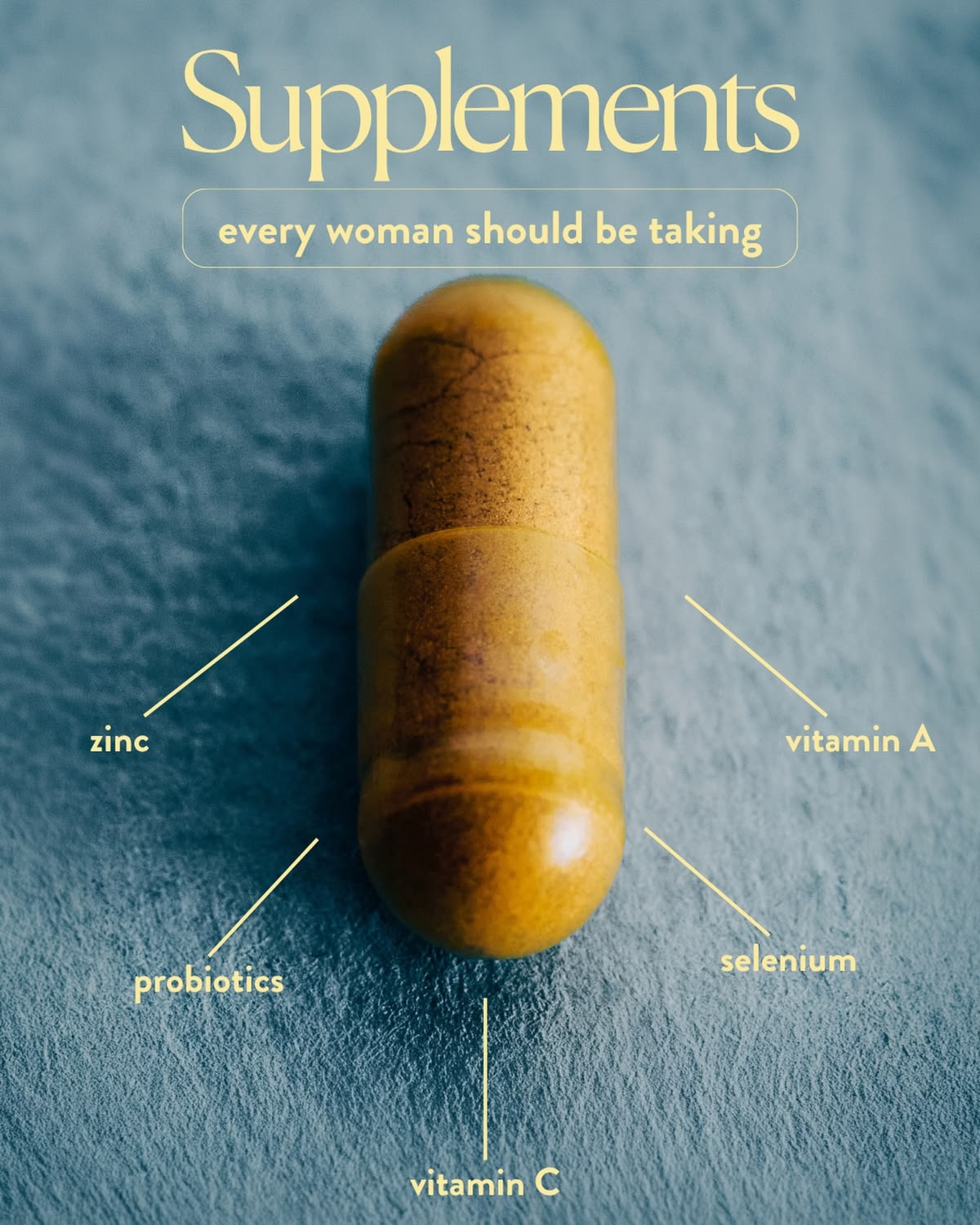
The supplement industry would like the answer to be "most of them". The evidence keeps returning a much shorter list — and it's mostly cheap.
The strong cases
Vitamin D. The one with actual UK government backing: official advice is that everyone consider 10 micrograms a day from October to April, because British sunlight doesn't clear the bar in winter. Cheap, safe at that dose, genuinely evidence-based.
Folic acid if you're pregnant or trying — standard NHS advice, non-negotiable territory.
B12 if you're vegan (it's essentially absent from plants) and worth checking past 60, when absorption drops.
Iron — but only after a blood test. Deficiency is common, especially in women who menstruate, and supplementing fixes real tiredness. But excess iron causes its own problems, so this one starts at the GP, not the checkout.
The reasonable cases
Omega-3 if you rarely eat oily fish. Magnesium for sleep, in the right form — the form matters enough that we wrote a whole guide. Creatine if you train — one of the most-studied supplements in existence. Specific adaptogens at proper doses have fair evidence too, with the same catch as always: form and dose decide everything.
The "usually not" pile
General multivitamins for people who eat reasonably keep failing to show benefits in large trials — expensive insurance against a problem most people don't have. Greens powders are mostly very costly vegetable dust. Hair gummies, detox teas and anything sold primarily through glow filters: no.
The posters are a tell
You'll see graphics listing five or six nutrients "every woman should be taking". Notice what's always missing: doses, forms, and any mention of testing first. Blanket lists are marketing. Your actual list depends on your diet, your bloods, your life stage — and it's probably shorter and cheaper than the poster's.
- Vitamin D in winter: yes, for most people in the UK
- B12, iron, folic acid: yes, for the specific groups above — test before iron
- Everything else: form, dose, and an honest reason, or leave it on the shelf
This article is general information, not medical advice. If symptoms are severe, persistent, or worrying you, speak to your GP or a pharmacist.